Elena Neumann · 2 September 2026
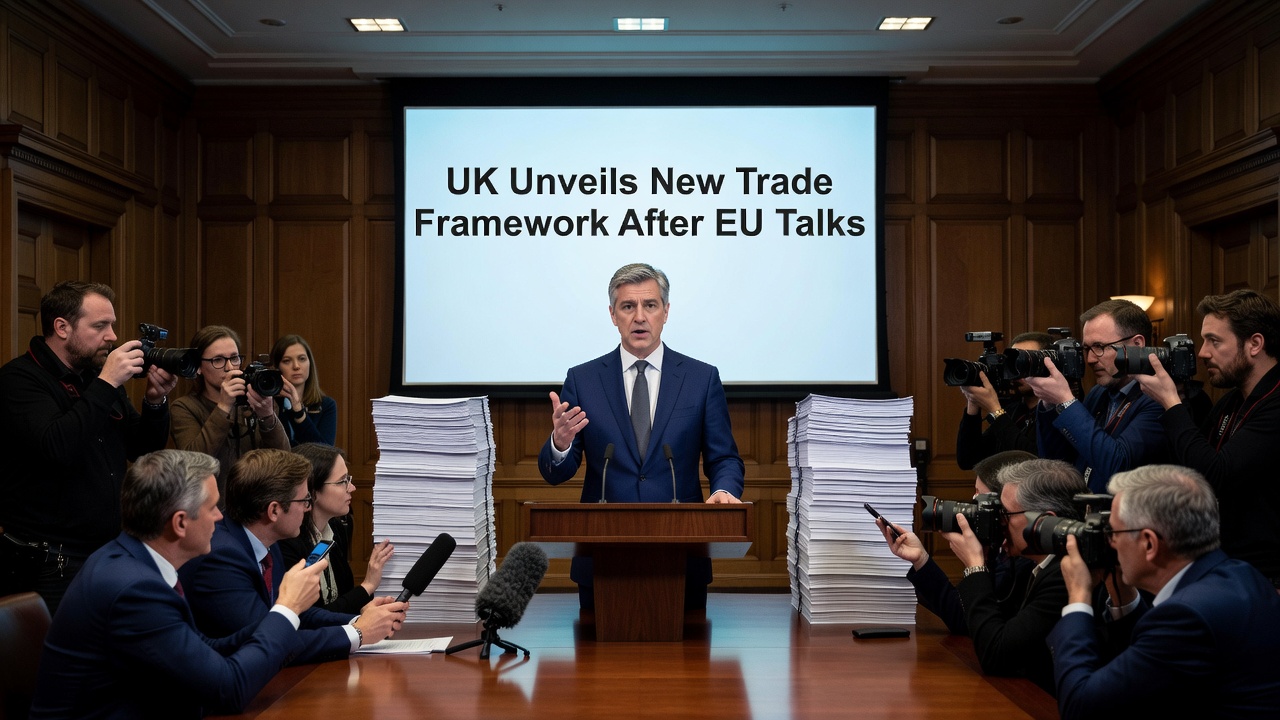
UK officials have outlined adjustments to trade policy following recent discussions with EU counterparts in Brussels. The changes focus on streamlined customs procedures and updated tariff alignments aimed at reducing friction for exporters. Government sources indicate these measures respond to ongoing supply chain pressures identified during the talks.
Adjustments to Tariff and Regulatory Alignment
Negotiators agreed to lower duties on specific machinery components and agricultural goods over the next two years. This includes revised rules of origin requirements that allow greater flexibility for UK manufacturers using EU-sourced materials. Officials stressed the policy maintains core post-Brexit independence while addressing practical trade barriers reported by industry groups. Data from the Office for National Statistics shows a 12 percent rise in goods exports to the EU in the latest quarter, partly attributed to these preliminary understandings.
Additional provisions cover digital trade standards and mutual recognition of conformity assessments for electronics and pharmaceuticals. These steps are expected to cut administrative costs for small and medium enterprises by an estimated £150 million annually. The Department for Business and Trade will publish detailed guidance documents next month to support implementation across sectors.
Business Impact and Long-Term Outlook
Industry representatives welcomed the announcements but called for continued monitoring of non-tariff barriers. The British Chambers of Commerce highlighted potential benefits for automotive and food processing firms reliant on cross-border supply chains. Analysts note the framework could stabilise trade volumes amid global economic uncertainties, though full effects will depend on domestic regulatory decisions.
Future talks are scheduled for early next year to review progress on services trade and investment protections. Ministers emphasised that the UK remains committed to diversifying partnerships beyond Europe while preserving constructive EU relations. Economic forecasts project modest GDP contributions from these policy shifts, with emphasis on export growth targets set for 2026.