Quinn Schmidt · 2 September 2026
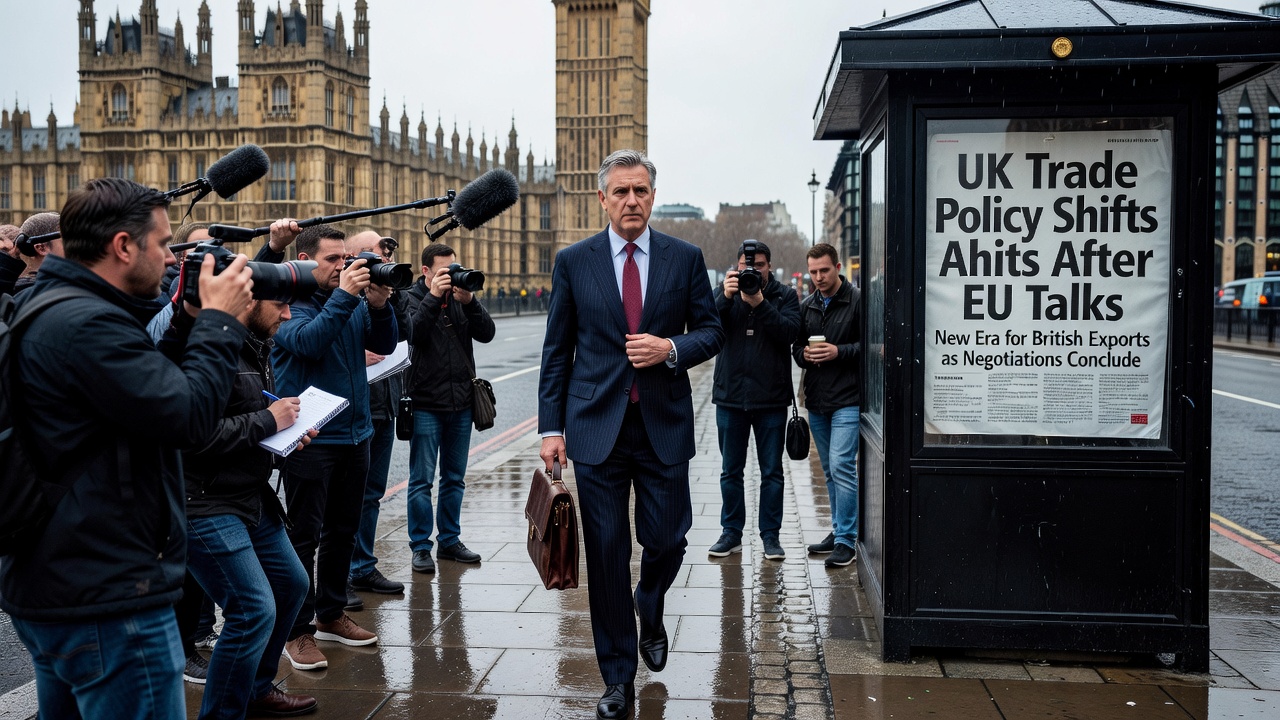
The United Kingdom has announced significant shifts in its trade policy following recent discussions with the European Union. These changes aim to streamline cross-border commerce while maintaining high standards of regulation and consumer protection. Negotiators from both sides met in Brussels last week to address ongoing issues stemming from the post-Brexit trade agreement. The outcome reflects a pragmatic recalibration of economic ties without altering core sovereignty principles.
Modifications in Tariff Regimes
One of the primary outcomes is the revision of tariff structures for various commodities. Agricultural products will see a phased reduction in duties over the next three years, intended to boost exports of British dairy and meat to EU markets. Conversely, tariffs on certain electronic components have been increased to protect domestic manufacturing. Officials stated that these adjustments were negotiated to balance economic interests on both sides. Additionally, new rules of origin requirements have been introduced to prevent circumvention of duties through third countries. This is expected to affect supply chains in the automotive industry particularly. Trade experts note that these modifications could lead to a 5% increase in overall trade volume between the UK and EU by the end of 2025. However, businesses are advised to review their compliance procedures to avoid penalties. Small and medium enterprises may require additional support from trade associations to adapt to the new framework. Furthermore, the policy includes provisions for digital trade, facilitating easier data flows and e-commerce transactions. This is particularly relevant for the UK's growing tech sector which relies heavily on seamless international exchanges.
Regulatory Alignment and Future Prospects
Beyond tariffs, the talks resulted in greater alignment on regulatory standards for pharmaceuticals and food safety. The UK will adopt several EU directives on environmental protections related to trade goods. This move is seen as a pragmatic step to reduce non-tariff barriers that have hindered efficiency since separation. Government representatives emphasized that the policy shifts do not indicate a return to full EU membership but rather a mature trading relationship based on mutual respect. Looking ahead, further talks are scheduled to address services trade, which constitutes a large portion of the UK economy. Analysts predict that these developments will enhance stability for exporters and importers alike. The changes are also expected to influence the UK's negotiations with other global partners, potentially setting precedents for future agreements in areas such as intellectual property and sustainable development. Overall, the shifts represent a calculated approach to maximizing economic benefits while preserving sovereignty in decision-making processes.